
Blog
Best Tongkat Ali in Malaysian Tradition: Red Root Slices as Tea
In Malaysian traditional preference, Red Tongkat Ali is regarded as a preferred form — and sliced root brewed as tea is the most traditional use. Not a lab potency ranking.
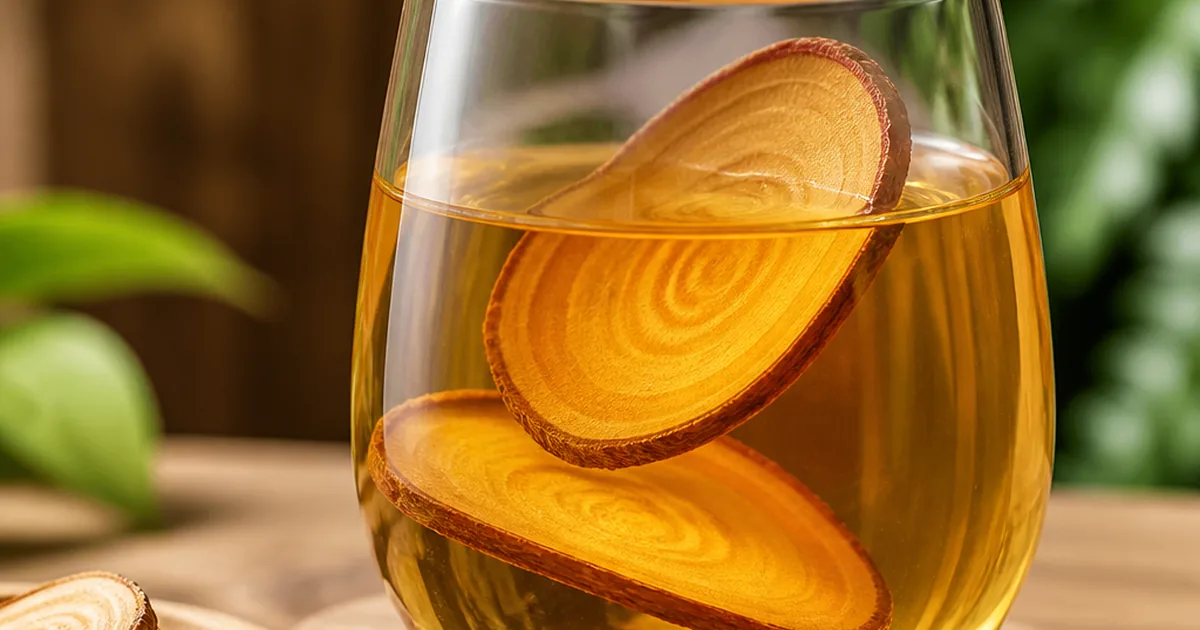
People searching for the best Tongkat Ali usually mean one of two things: the best kind of root, or the best form to buy — tea or capsules. From a Malaysian traditional point of view, the answer is straightforward.
Short answer: In Malaysian traditional preference, Red Tongkat Ali is a more prestigious trade term than common Yellow Tongkat Ali. The traditional format is sliced dried root, brewed as tea — not factory extract capsules. That's a cultural and market preference, not a published lab certificate that every batch is "most potent," and extract clinical trials aren't the same as root-tea outcomes.
What “Best” Should Mean Here
| Meaning of “best” | Honest answer |
|---|---|
| Malaysian traditional preference | Red Tongkat Ali trade terminology |
| Most traditional format | Dried root slices brewed as tea |
| Most studied format in human trials | Usually standardized extracts (a different product) |
| Lab-proven “strongest batch” | Needs a published batch assay — we don’t invent one |
Keep those rows separate — conflating them creates a false sense of certainty.
Traditional Preference: Red Tongkat Ali
In Malaysia, Red Tongkat Ali isn’t a random brand slogan — it’s traditional and commercial terminology for reddish root, distinct from ordinary commercial Yellow Tongkat Ali in local trade. Locally, Red is regarded as the more prestigious, preferred form; that’s often the honest answer to “which Tongkat Ali is best?” in everyday conversation. A trade term, bark colour, or sourcing story doesn’t independently verify a product batch, though — Red by itself isn’t a published DNA certificate for every shipment, a measured eurycomanone percentage, or proof that tea reproduces extract-trial results.
Full naming guide: What is Red Tongkat Ali? · comparison: Red vs Yellow vs Black.
Best Traditional Format: Sliced Root, Brewed as Tea
Before capsules and “200:1” powders dominated export shelves, the traditional Southeast Asian practice was simple: use dried root slices, boil or soak in water, and drink as tea. That’s still how many Malaysian households understand Tongkat Ali — a root food or herbal tea, not a standardized supplement pill. You can see the root material itself (bark colour, fibre, thickness), there’s no capsule filler or extract-ratio marketing, and it’s easy to adjust strength by slice count and simmer time.
Most published human studies, by contrast, use specific extracts at measured doses — which explains why Eurycoma longifolia is studied, but doesn’t prove the dose, composition, or outcome of unassayed root tea.
| Wild red root slices (traditional) | Extract capsules (common export) | |
|---|---|---|
| What you buy | Dried root for tea | Processed powder in pills |
| Traditional? | Yes — boiled/soaked tea | Modern commercial format |
| Most human trials? | Rarely | Usually |
| Our product | Yes | No |
Deeper comparison: Root vs extract · research limits: Evidence Index.
Practical Checklist for “Best Traditional”
- Name: Red Tongkat Ali in the Malaysian wild-red sense
- Form: whole root slices, not only capsules
- Use: boil or cold-soak as tea
- Origin story: Malaysia (we use Pahang)
- Honesty: ask whether a batch COA exists — we currently don’t publish one
Shop (checkout: US, Malaysia, Singapore): /shop/. US pricing and shipping context: /buy/united-states/.
Bottom Line
The best kind, in Malaysian tradition, is Red Tongkat Ali; the most traditional way to take it is sliced dried root, brewed as tea. Extract research, batch COA, and medical claims remain separate questions.
Related reading: Authentic Malaysian Tongkat Ali · Safety · Human studies · US Import & Compliance
Educational information, not medical advice. This product has not been evaluated by the FDA and is not intended to diagnose, treat, cure, or prevent any disease.
Frequently asked questions
Is wild Red Tongkat Ali the best Tongkat Ali?
Is drinking sliced root tea better than capsules?
Does bitter tea prove it's the best batch?
How do you brew Red Tongkat Ali root slices?
Where can I buy Red Tongkat Ali root slices in the USA?
Ready to brew the real root?
500g, 1kg or 2kg of Malaysian Red Tongkat Ali root slices — tracked shipping to the USA included. Pay by card or USDT (5% off).
Shop root slicesLost or damaged? Free reship · Secure Stripe checkout · One-time purchase, no subscription